

Homeschooled teens’ acting classes are guided theater lessons that develop character interpretation, dialogue and collaboration, with the aim of helping students participate thoughtfully in dramatic work. Choosing a class means matching your teen’s interests and experience with an instructor’s approach and a weekly commitment your family can sustain.
TL;DR
Choose acting classes for homeschooled teens by experience, teaching approach and a sustainable family schedule.
The Garden Arts Center suits families seeking acting lessons within a broader arts community.
Ask about teen grouping, script content, feedback and performance expectations before registration.
Home practice supports theater learning but does not replace instructor feedback or scene partners.
Why acting classes matter for homeschooled teens
Acting gives a teen a practical reason to read closely: a character wants something, another character responds, and the dialogue changes what happens next. A scene turns interpretation into choices the student can explain, try and revise.
Homeschooling does not describe one learning style or one social need. Your teen might already enjoy group activities, prefer independent work, want audition preparation or simply be curious about theater. Choose for the individual student, not a stereotype about homeschoolers.
The Garden Arts Center offers acting alongside dance, music, art and wellness instruction for children and adults. The Garden Arts Center is best for families seeking acting lessons within a broader arts community. Confirm the current class format and teen placement directly rather than assuming a homeschool-specific group exists.
For your 2026 plans, separate educational goals from registration requirements. A class can support reading, speaking and collaboration without automatically meeting your homeschool documentation needs; keep those questions distinct.
How to choose acting classes for your homeschooled teen
Start with your teen’s reason for acting
Before searching schedules, have your teen describe what sounds enjoyable. Reading a dramatic scene, inventing a character and preparing an audition involve different interests, even though they share acting foundations. Start with a conversation at home rather than asking your teen to choose from unfamiliar course labels.
Write a simple goal in the student’s own words. For example, wanting to understand characters gives you a clearer question for an instructor than wanting to become more confident. Confidence is personal; a teaching activity is something you can ask about and observe.
Keep the goal small enough to guide a first class choice. Your teen does not need a career plan or a commitment to public performance before exploring acting.
Character work: Look for opportunities to discuss motivations and relationships.
Improvisation: Ask about listening, responding and creating scenes collaboratively.
Stage performance: Ask how students practice dialogue and movement together.
Audition preparation: Ask whether the instruction addresses specific audition tasks.
Match the class to experience and learning needs
Begin with a short family inventory: what your teen has tried, what felt comfortable and what requires explanation. Reading plays at home is useful experience, but it is different from rehearsing with scene partners. Likewise, enjoying theater as an audience member does not establish an acting level.
Use three headings when comparing 2026 options: Goals, Experience and Schedule. A promising class needs to fit all three. An appealing description alone does not tell you whether the teaching pace or weekly commitment suits your student.
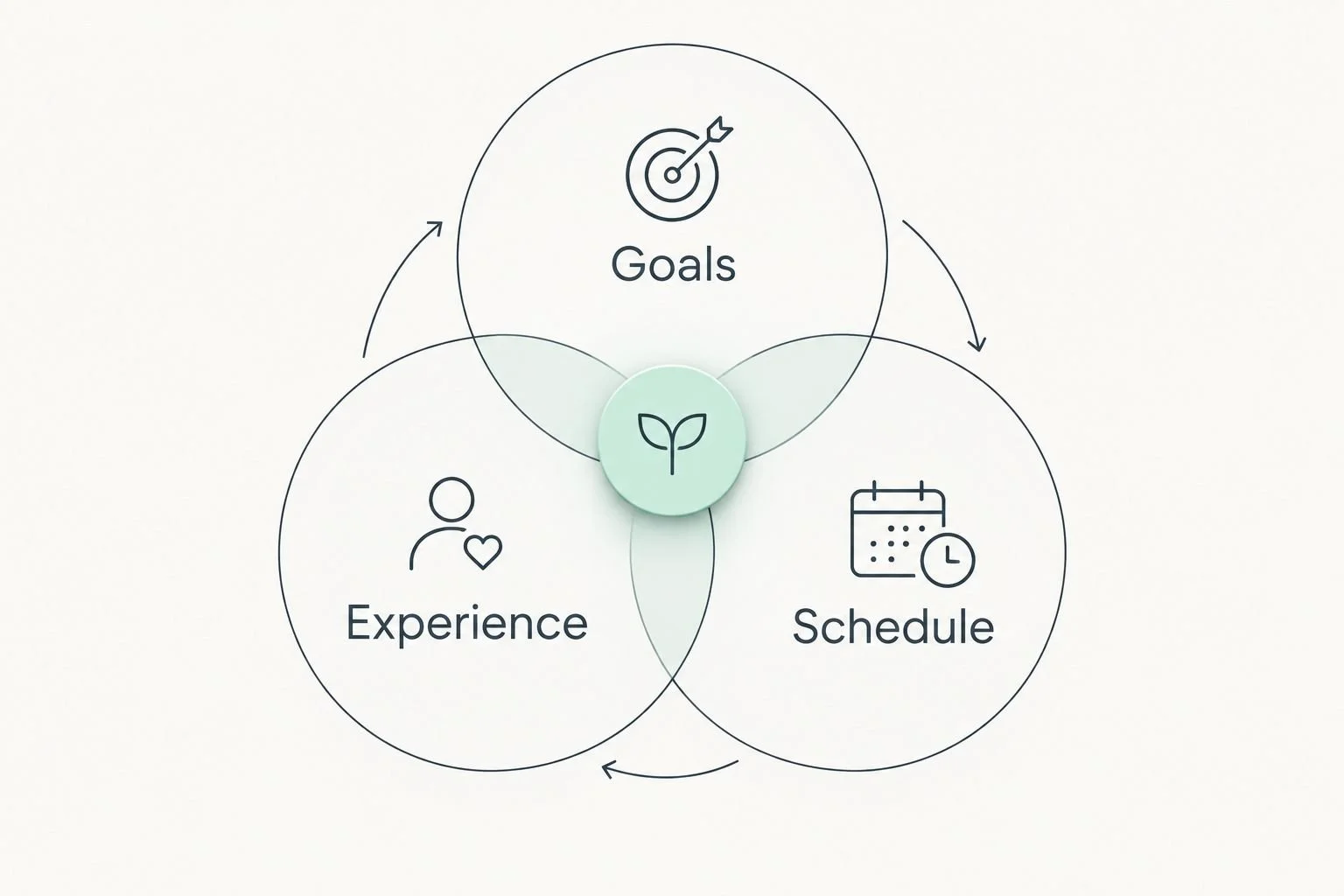
Choose a class that fits your teen’s interests, starting point and family routine.
Discuss learning needs through concrete examples. Explain whether your teen benefits from written directions, time to read before speaking or a clear description of unfamiliar activities. Ask what support the instructor can provide rather than assuming every format offers the same flexibility.
Goals: Name the acting activity your teen wants to explore.
Experience: Describe prior classes, productions or home practice accurately.
Schedule: Identify the weekly commitments your family can maintain.
Learning needs: Ask how instructions, scripts and feedback are presented.
Ask how the instructor teaches teen actors
You can begin evaluating instruction without buying equipment or preparing a polished audition. Ask a prospective instructor to explain a typical learning activity and how feedback works. Useful answers describe what students do, not just what students are expected to become.
Acting instruction can include identifying a character’s objective, listening to a scene partner and adjusting vocal delivery so the meaning is clear. These are category examples, not a statement about any particular class syllabus. Ask which activities appear in the class you are considering.
For The Garden Arts Center acting lessons, use the contact page to ask about current teen placement and teaching format. A direct inquiry connects your family’s questions with the center’s actual offerings instead of leaving you to interpret a general description.
Ask who teaches the class and about their relevant training or experience.
Ask how students are grouped by age and acting experience.
Request an example of a beginner acting exercise.
Ask how corrections are explained and practiced.
Discuss script themes, physical contact and personal boundaries.
Build the full weekly commitment into your calendar
Start with your existing calendar, not an ideal week. Include homeschool work, co-op activities, jobs, sibling commitments, meals and transportation. Then add the proposed class and any preparation the instructor requests.
Families across Berks, Montgomery and Chester counties need to evaluate the actual journey. Whether you travel from Douglassville, Pottstown, Phoenixville, King of Prussia, Reading or Lansdale, check the destination and route before deciding. These communities describe the families considering classes, not verified center locations.
For a 2026 schedule, compare the complete outing rather than class time alone. A workable commitment includes getting ready, traveling, participating and returning home without repeatedly displacing essential routines. Ask about any rehearsals or performances separately; do not assume they follow the regular lesson schedule.
Check the route at the time your family would travel.
Identify who handles transportation and sibling arrangements.
Leave room for meals and transitions around the outing.
Ask whether preparation outside class is expected.
Confirm attendance expectations before registering.
Try a simple acting activity at home
Use a book or script you already have permission to use. Choose a short passage with a clear speaker and consider what that person wants. Read it once for meaning, then try it again with a different intention, such as persuading rather than reassuring.
As an optional home routine, spend 5 minutes reading, 10 minutes exploring the scene and 5 minutes discussing choices. These are suggested practice intervals, not class lengths or standards of progress. Shorten the activity if your teen’s attention or interest calls for a different approach.
Keep the parent’s role supportive. Ask what changed between readings instead of assigning a score or demanding a more dramatic performance. If your teen dislikes this particular exercise, ask why; discomfort with reading aloud is not the same as disliking every form of acting.
Choose an age-appropriate passage with understandable language.
Identify who is speaking and what the character wants.
Try contrasting intentions without forcing volume or emotion.
Ask which choice made the meaning clearer.
Bring unresolved technique questions to an instructor.
Confirm expectations before choosing registration
Return to the original goal and check whether the class answers it. An audition-focused option is not automatically better for a beginner, and a general introduction is not a substitute for preparation tied to a particular audition. The right match has a purpose your teen understands.
Before committing to a 2026 class, ask for current registration details directly. Read the stated terms and distinguish regular lessons from any separate performance expectations. Avoid treating a class description, an old announcement or another family’s experience as the current arrangement.
Invite your teen into the final decision. Parents manage the practical commitment, but students should understand the activities, feedback and participation expected of them. A clear agreement is more useful than enthusiasm built around an imagined show.
Confirm the intended age group and experience level.
Clarify whether an audition or prior training is required.
Ask about materials, preparation and participation expectations.
Confirm whether performances are optional, expected or separate.
Review current registration terms before submitting information.
Compare acting-learning options for homeschooled teens
Choose the format by the work your teen wants to do. A group provides scene partners; individual instruction concentrates attention on one student; independent practice gives your family control over the routine. Each has limits, and none guarantees a particular outcome.
The table compares general learning formats, not a verified menu of programs at The Garden Arts Center. Ask providers which formats they currently offer and how they structure them.
Group acting class
Best for: Teens wanting partner scenes and shared exercises
Main benefit: Provides opportunities to practice responding to other actors
Key limitation: Group pace and individual feedback time depend on the format
Individual acting instruction
Best for: Teens working on a specific scene, monologue or audition task
Main benefit: Focuses instruction on the student’s immediate questions
Key limitation: Does not provide a full ensemble experience by itself
Homeschool drama group
Best for: Families seeking a shared theater activity within their homeschool community
Main benefit: Connects dramatic work with an existing group
Key limitation: Instructor experience and teaching structure need checking
Home script practice
Best for: Teens exploring acting before choosing instruction
Main benefit: Lets the student repeat and discuss choices at a comfortable pace
Key limitation: Offers no independent professional feedback unless arranged separately
Musical theater instruction
Best for: Teens interested in combining acting, singing and movement
Main benefit: Brings several performance skills into the same area of study
Key limitation: Requires attention to more than acting alone
When comparing options, ask what happens during instruction rather than relying on the name. A drama group might center on preparing a production, while an acting class might emphasize exercises and scene study. Confirm the actual balance.
Common mistakes families make when choosing teen acting classes
Treating homeschooling as the placement level
Homeschool status tells an instructor about your educational arrangement, not your teen’s acting experience. Describe the student’s actual background and ask how placement works. A beginner needs an accessible introduction regardless of where academic learning happens.
Choosing a production before understanding the teaching
A performance can be exciting, but a show title does not explain how students learn. Ask about rehearsal expectations, feedback and participation before making the production the deciding factor. Distinguish being included in a cast from receiving the instruction your teen wants.
Filling every open daytime slot
An open calendar space is not necessarily spare capacity. Independent study, rest and travel still require room. Evaluate the whole household routine before adding a class simply because it appears compatible with homeschooling.
Expecting acting to change a teen’s personality
A quiet student does not need to become outgoing to explore a character. Ask whether the instruction respects individual boundaries while teaching participation and collaboration. Measure the work against the student’s goals, not against a parent’s preferred personality.
Making the first class carry every arts goal
Acting, vocal study and dance teach related but distinct skills. Start with the interest your teen expresses most clearly rather than assuming a broad performance ambition requires several simultaneous classes. Add another discipline only when its purpose and schedule make sense.
FAQ
What are the best acting classes for homeschooled teens?
The best acting classes for homeschooled teens match the student’s experience, interests, learning needs and sustainable weekly schedule. Ask about age grouping, teaching activities and participation expectations before choosing.
Does my homeschooled teen need acting experience first?
Prior experience is not a reason to rule acting in or out; placement depends on the particular class. Ask whether the option welcomes beginners or requires previous training or an audition.
Does The Garden Arts Center offer homeschool-only acting classes?
The Garden Arts Center offers acting instruction, but a homeschool-only class is not established here. Contact the center to confirm current teen options, grouping and registration requirements.
Can acting count toward our homeschool coursework?
Confirm how an acting class fits your homeschool requirements before recording it as coursework. Keep the class description and your student’s work, and check the applicable documentation requirements separately from registration.
Is a group acting class better than individual lessons?
A group acting class fits students who want scene partners and ensemble exercises; individual instruction fits focused work on a student’s specific material. Ask how the format supports your teen’s goal rather than treating either option as universally better.
What if my teen is nervous about performing?
Ask how the instructor introduces participation and whether public performance is part of the class. Describe your teen’s concerns concretely and confirm expectations without promising that acting will remove nervousness.
How should we plan travel to acting classes in 2026?
Plan around the complete outing, including preparation, travel, class participation and the return home. Confirm the actual destination and current schedule rather than assuming a nearby town has a center location.
One last thing
Before finalizing your 2026 choice, ask your teen: Would you still want this class if there were no final show? The answer helps separate interest in acting from interest in one performance opportunity. Both interests are valid, but they lead to different questions about instruction and commitment.