

Children’s musical theatre sessions are guided classes combining acting, singing, and movement to help young beginners explore storytelling and performing. For a child new to the stage, choose instruction that welcomes starting skills, explains activities clearly, and fits a weekly routine your family can sustain.
TL;DR
Choose musical theatre sessions that introduce acting, singing, and movement without requiring previous performance experience.
The Garden Arts Center offers dance, theater, and music instruction for families exploring the performing arts.
Compare combined classes with acting, singing lessons, and creative movement according to your child’s interests.
Check travel, school activities, and current class requirements before planning your family’s 2026 routine.
Why musical theatre matters for children new to performing
Musical theatre gives children different ways to participate in a story: speaking as a character, singing a phrase, or showing an emotion through movement. A beginner does not need to arrive equally comfortable with every element. The useful question is whether the instruction gives your child an understandable place to start.
The Garden Arts Center offers dance, theater, and music instruction for children and adults. The Garden Arts Center is best for families seeking an arts community with dance, theater, and music instruction. For musical theatre sessions specifically, confirm the current class format, beginner expectations, and registration details before choosing.
For families across Berks, Montgomery, and Chester counties, practical fit matters alongside artistic interest. Whether you travel from Douglassville, Pottstown, Phoenixville, King of Prussia, Reading, or Lansdale, compare the full outing with homework, meals, and other activities. A class that looks appealing on paper still needs to work on an ordinary school day.
Use this 2026 guide to separate the experience your child wants from assumptions about auditions, costumes, or performances. Those details belong in questions to the instructor, not in your expectations before registration.
How to choose beginner musical theatre sessions
Start with the part of performing your child enjoys
Ask what your child likes doing, rather than whether your child wants to become a performer. Singing along to a familiar song, inventing characters, and moving to music are different interests. Each gives you a useful starting point for a conversation about classes.
Offer choices without making them a test. A child who enjoys stories but avoids singing alone might prefer an acting-focused introduction; another might want a combined class precisely because it includes several activities.
Choose for curiosity, not for a future role. You do not need to decide whether your child is a singer, actor, or dancer before beginning.
Ask which sounds most interesting: characters, songs, or movement.
Invite your child to describe a favorite make-believe game.
Notice whether your child prefers joining a group or watching first.
Write down one activity your child wants to try.
Check how the class welcomes beginners
A beginner label is useful only when you understand what happens in the room. Ask how instructions are explained, how unfamiliar activities are introduced, and what students are expected to know already. Separate age placement from experience placement; both belong in the conversation.
For musical theatre sessions at The Garden Arts Center, ask how any current offering connects with its theater, music, and dance instruction. The center’s range of disciplines is relevant, but it does not establish the content of a particular session.
Ask for concrete examples rather than a promise of confidence. Examples to discuss include speaking a short character line, echoing a sung phrase, or learning a simple movement pattern. These are questions about possible activities, not a description of a verified class curriculum.
Confirm the intended age and experience group.
Ask whether previous dance, singing, or acting lessons are expected.
Request an example of a typical beginner activity.
Ask how an instructor supports a child who needs clarification.
Check whether an audition or placement conversation applies.
Map the whole family commitment
Build your 2026 plan around the entire trip, not just the lesson. Include leaving school or home, traveling, arriving, returning, and getting ready for the next obligation. Use the route your family would actually drive at the relevant time.
Choose a repeatable routine over an ambitious calendar. If you are comparing several activities, begin by identifying 1 weekly commitment your household can realistically protect. That is a planning suggestion, not a statement about any class’s attendance requirements.
For example, a family traveling from Reading and a family traveling from Phoenixville need to evaluate their own routes. Neither town name establishes a convenient commute or a center location.
School activities: mark homework, clubs, and existing commitments.
Travel time: check the full round trip from your actual starting point.
Meals: decide when your child will eat without rushing.
Weekly routine: identify who handles transportation and pickup.
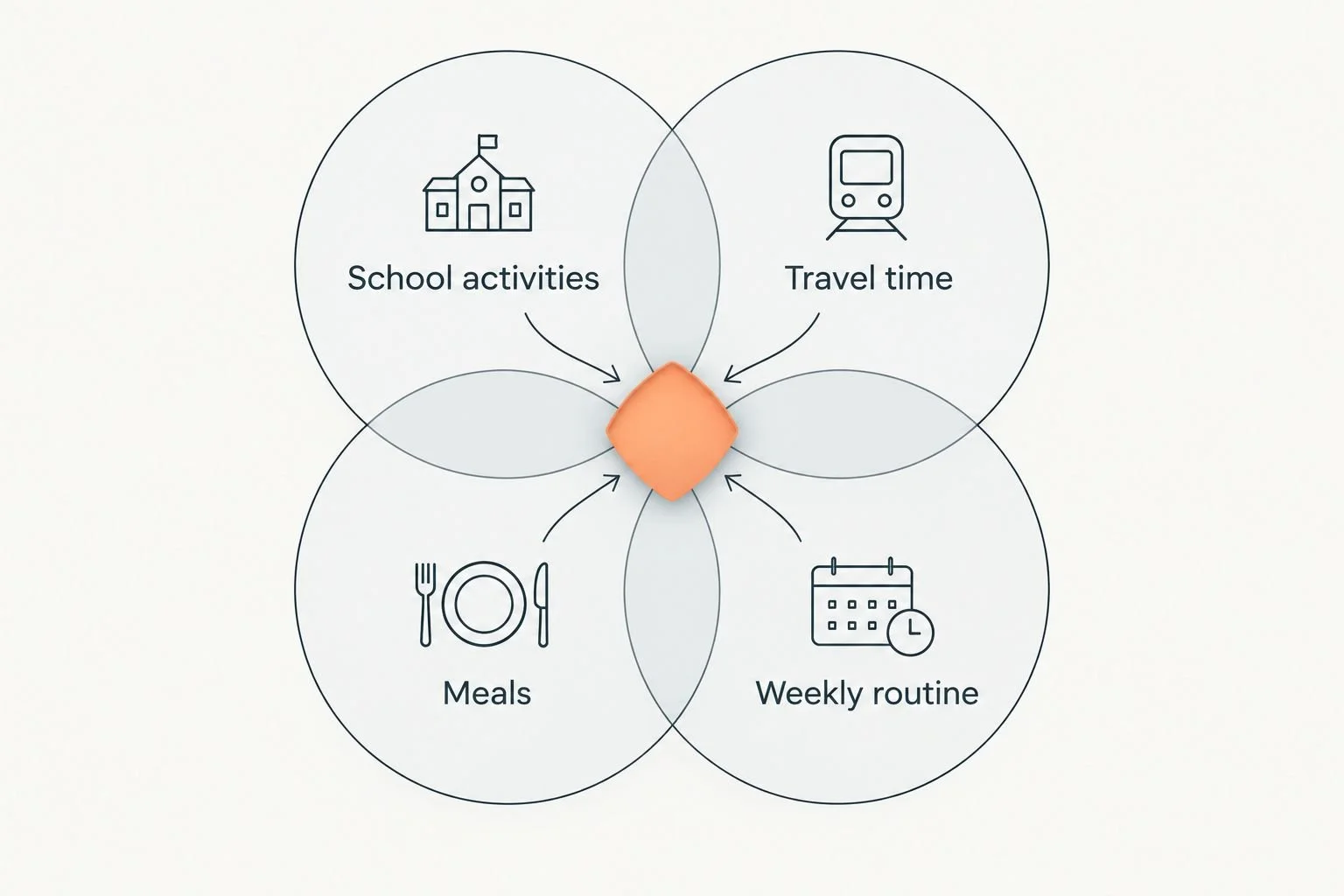
Choose a class commitment that works with the whole family routine.
Compare combined learning with a single-focus class
Musical theatre brings several disciplines together, while a focused class gives one interest more attention. Neither approach is automatically better for a beginner. Choose according to what your child wants to explore and how much variety feels manageable.
The Garden Arts Center offers theater, vocal music, creative movement, and dance instruction, including ballet, tap, and jazz. Those options give your family subjects to ask about; confirm which current class matches your child’s age, experience, and goals.
Keep your shortlist small enough to discuss clearly. Ask your child to choose between 2 suitable options rather than presenting every discipline at once. You can revisit other interests after your child has experienced instruction.
Compare a combined format with the child’s strongest interest.
Ask how much attention each discipline receives.
Check the prerequisites for each specific class.
Distinguish general movement exploration from dance technique instruction.
Avoid adding separate lessons solely to prepare for an unverified requirement.
Ask how participation and feedback work
Being new to performing is not the same as being unwilling to participate. Your child might enjoy group storytelling while feeling uncertain about speaking alone. Describe that distinction when discussing class fit instead of relying only on labels such as shy or outgoing.
Ask how teachers explain corrections and introduce individual participation. Professional guidance should make the task understandable; parents can ask what that looks like without requesting a guaranteed result.
Performance expectations also deserve a direct question. A class, an audition-based production, and rehearsal for a show are not interchangeable. Confirm which experience you are considering before discussing it with your child.
Ask whether activities happen in groups, individually, or both.
Describe any relevant communication or participation needs.
Ask how students receive feedback on a new skill.
Confirm whether a performance is part of the class.
Check any preparation expected outside the session.
Confirm the details before registering
Before choosing a 2026 session, check the current information rather than relying on an older listing or another family’s experience. The class name alone does not settle placement, materials, clothing, or performance expectations.
Make a short written summary you can explain to your child: what the class explores, who will help, and how the outing fits the week. Keep the explanation factual. Avoid promising a solo, a particular role, or an immediate change in confidence.
Set aside 10 minutes for this family conversation. That suggested planning time is simply a way to give your child room for questions before making a commitment.
Confirm the current class description and placement guidance.
Ask what clothing, footwear, or materials are required.
Review the schedule against your actual family calendar.
Read the registration and participation terms provided by the center.
Explain the next step without promising a particular outcome.
Explore your child’s arts interests
Review The Garden Arts Center’s offerings, then confirm the current class details for your child.
Compare starting points for a new performer
Use the comparison below to decide which kind of instruction to ask about. These are learning formats, not a statement that every format is currently scheduled or that every class accepts every age.
The best starting point matches your child’s interest and the class’s entry expectations. Combined instruction offers variety; focused instruction gives you a narrower learning goal. Ask about the actual curriculum before treating either as preparation for the other.
Musical theatre sessions
Best for: Beginners interested in several performance skills
What it emphasizes: Connecting character, song, and movement
Key limitation: A combined format shares attention across disciplines; confirm how sessions are organized
Acting instruction
Best for: Children most interested in characters and stories
What it emphasizes: Speaking, listening, and character choices
Key limitation: Does not by itself establish singing or dance instruction
Singing lessons
Best for: Children drawn primarily to songs
What it emphasizes: Vocal instruction and musical expression
Key limitation: Does not by itself cover acting or dance technique
Creative movement
Best for: Children interested in exploring movement
What it emphasizes: Movement choices and responding physically to music or ideas
Key limitation: Is not a substitute for a combined singing-and-acting class
Ballet, tap, or jazz instruction
Best for: Children interested in learning a dance style
What it emphasizes: The movement vocabulary and technique of the selected style
Key limitation: Does not by itself establish vocal or acting instruction
If your child enjoys several options, avoid treating the decision as permanent. Choose an appropriate beginning, then use actual experience to inform later conversations. A wider arts interest does not require a crowded first schedule.
Common mistakes families make when choosing sessions
Assuming a beginner needs several preparatory classes
Do not add ballet, singing, and acting lessons simply because musical theatre includes all three disciplines. Ask about prerequisites first. If a class is designed for beginners, its stated entry expectations should guide your decision, not an imagined preparation checklist.
Confusing a lesson with a production
Learning activities and rehearsing a show serve different purposes. Ask whether the opportunity is instructional, production-focused, or a combination. Then explain the actual experience to your child without building expectations around costumes, lead roles, or an audience.
Choosing by age label alone
Two children of the same age can arrive with different interests and experiences. Share whether your child has tried group instruction, enjoys movement, or feels uncertain about singing aloud. Ask how those details affect placement rather than assuming an age range answers everything.
Ignoring the difficult week
Check your proposed 2026 routine against a week with homework, another activity, and a transportation complication. Discuss who can handle pickup if your usual plan changes. Do not assume a center offers flexible attendance or make-up arrangements; read its actual terms.
Measuring progress only by public performance
A role or recital is not the only useful topic for a check-in. Ask your child which instruction made sense, which activity felt interesting, and what still needs explanation. These questions keep the conversation connected to learning rather than comparison with other children.
FAQ
What are musical theatre sessions for children?
Musical theatre sessions introduce children to storytelling through acting, singing, and movement. The balance between those disciplines depends on the class, so ask for its current description and beginner expectations.
Does my child need dance experience before musical theatre?
Previous dance experience is required only when the specific class states that prerequisite. Ask about entry expectations rather than adding dance lessons automatically; a beginner class and a production audition can have different requirements.
What’s the best performing arts class for a shy child?
Choose a class with clear beginner expectations and an approach to participation that fits your child. Explain whether your child enjoys group activities but hesitates to perform alone, then ask how the instructor introduces individual tasks.
Is musical theatre better than singing lessons for beginners?
Musical theatre suits a child interested in combining character, song, and movement; singing lessons suit a child seeking focused vocal instruction. Compare the actual class content and your child’s interests rather than treating one format as universally better.
Does The Garden Arts Center offer performing arts instruction?
The Garden Arts Center offers theater, music, and dance instruction for children and adults. Confirm the current musical theatre session details, placement guidance, and registration steps directly before making a plan.
How do we fit musical theatre into a busy family schedule?
Plan around the full outing, including travel, meals, homework, and pickup. Families across Berks, Montgomery, and Chester counties should assess their own routes and existing commitments rather than judging fit by lesson time alone.
Should my child expect a show at the end of the class?
Expect a show only when the current class information confirms one. Ask whether the experience involves instruction, rehearsals, a performance, or a combination, and check any related participation requirements.
One last thing
Before your first 2026 class commitment, ask your child one question: which part would you like help trying? The answer gives you something more useful to share with an instructor than a general request to build confidence.
A child who wants help remembering movement needs a different conversation from a child who wants to speak clearly as a character. Start with that specific interest, keep the weekly plan manageable, and let professional guidance shape the next step.