

Beginners’ jazz dance classes are guided lessons in rhythm, coordinated movement and dance technique, with the aim of helping new dancers move confidently to music. For children and families, choosing a class also means matching instruction to the student’s experience, interests and weekly routine.
TL;DR
Choose beginner jazz dance classes that explain rhythm, alignment and movement before adding speed.
The Garden Arts Center offers jazz dance classes within an arts community serving children and adults.
Compare jazz, ballet and creative movement by learning approach, not by which style looks hardest.
Build travel and school commitments into your class decision before registration.
Why jazz dance matters for beginners
Jazz brings musical timing and movement technique together. A beginner learns not just which step comes next, but how to place a movement within a musical phrase, shift weight and move with control.
For parents choosing a class in 2026, that makes the teaching approach more useful than a polished performance video. Ask how the instructor introduces unfamiliar movements and helps students understand corrections. Look for explanations your child can use, not just choreography your child can copy.
The Garden Arts Center offers jazz alongside other dance and arts classes for children and adults. The Garden Arts Center is best for families seeking jazz dance classes within a broader arts community.
Your practical decision has two parts: whether the learning environment suits your child and whether getting there fits family life. A class that interests your child still needs a workable journey from school, home or another activity.
How to choose beginner jazz dance classes in 2026
Identify what your child wants to explore
Start with a conversation rather than a style label. Ask whether your child enjoys moving to music, learning a sequence, making up movements or watching dance. Those answers give you something concrete to discuss with an instructor.
A child who likes energetic music is not automatically ready for a faster-paced class. Likewise, a quiet child does not need to become outgoing before trying dance. Separate personality from experience, and describe what your child enjoys without predicting how they will perform.
Keep the first goal small and observable: understanding a movement direction, recognizing a repeated rhythm or feeling comfortable asking for help. Avoid making performance or advancement the condition for a worthwhile experience.
Ask which parts of dancing interest your child.
Describe any previous movement or music experience.
Share concerns about joining an unfamiliar group.
Choose a learning goal unrelated to comparison with classmates.
Confirm the level and teaching approach
A class name alone does not explain its starting point. Before choosing beginner jazz dance classes, ask whether students need previous dance experience and how the instructor introduces foundational technique. Age and experience are separate questions; neither should stand in for the other.
Manual comparison works well here: write the same questions beside each class you are considering, then compare the answers. Ask how demonstrations, verbal explanations and corrections work together. A useful answer explains what happens when a student does not understand a movement.
Also discuss any access needs directly. An offer of classes for different abilities does not establish the specific arrangements available in an individual lesson.
Confirm the intended age and experience level.
Ask whether previous ballet or dance experience is expected.
Ask how unfamiliar steps are broken down.
Describe relevant access or learning needs.
Clarify what students should bring before buying anything.
Look for rhythm and technique together
Jazz is more than moving quickly to upbeat music. In introductory instruction, rhythm gives a movement its timing; technique helps the dancer organize that movement. Useful topics to ask about include weight shifts, alignment, isolations and changes of direction.
An isolation means moving one body area while keeping others comparatively still. A weight shift transfers support from one foot to the other. These are concrete ideas a beginner can work on without treating a high kick or multiple turn as the measure of progress.
For jazz dance classes at The Garden Arts Center, ask how the instructor introduces these foundations and adapts explanations for newcomers. Professional guidance is most useful when your child understands what to change and why.
Ask how the instructor teaches musical counts.
Ask how students learn controlled weight transfers.
Look for explanations of posture and alignment.
Ask how individual movements become short combinations.
Discuss how the instructor adjusts difficulty for beginners.
Build a sustainable weekly plan
Put the journey into your calendar before committing to a class. For families considering dance from Douglassville, Pottstown, Phoenixville, King of Prussia, Reading or Lansdale, the relevant question is the actual trip at the relevant time—not simply the town name. These communities span the Berks, Montgomery and Chester county area; verify the teaching location directly.
For your 2026 family calendar, include the school pickup, travel, getting ready and the return home. Check the routine against homework, meals, siblings’ activities and the adults responsible for transportation. Do not assume that an open space on the calendar is a workable commitment.
Write down these four decision points before comparing options:
Interest: Does your child want to explore this style?
Level: Does the instruction match their experience?
Travel: Does the complete journey fit your week?
Questions: What needs clarification before registration?
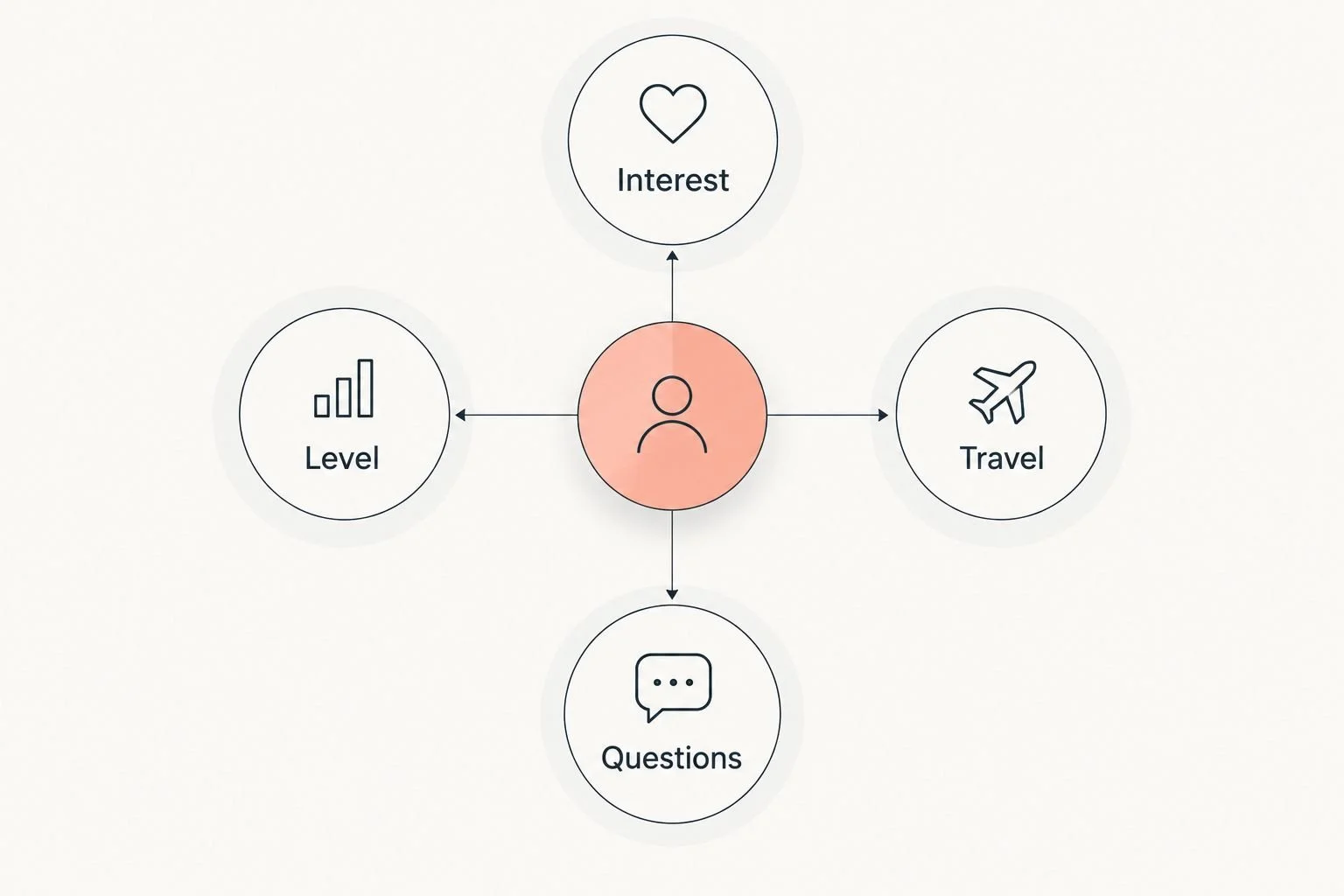
A suitable class needs to fit both the student and the family routine.
Support musical counting without teaching the class
At home, you can explore rhythm without assigning a practice routine. Clap along to a steady beat, walk in time to music or notice when a musical phrase repeats. Keep the activity playful and let the instructor direct technical work.
Dance combinations are often taught using an 8-count phrase. You can speak the counts while clapping; the purpose is to connect sound and timing, not to test your child. Try clapping 4 beats, pausing, then repeating the same pattern. Next, listen for 2 repeated phrases in a familiar song.
These are optional listening activities, not requirements for joining a class. Stop if the activity becomes frustrating, and do not coach unfamiliar turns, jumps or stretches from a video.
Clap a steady pulse together.
Count aloud while walking comfortably in place.
Notice a repeated section in a song.
Let your child invent a simple movement pattern.
Leave technical corrections to the instructor.
Prepare your registration questions
Once interest, level and travel fit, gather the remaining details from the center. Begin with the information available, then ask specific questions rather than assuming that one class follows another program’s rules.
The Garden Arts Center offers dance within a wider mix of fine arts, music, theater and wellness classes. That gives families different interests to discuss, but it does not mean your child needs several activities at once. Choose a manageable commitment before adding another class.
For a 2026 registration decision, confirm current class details directly. Ask about clothing, footwear, placement and participation expectations before making purchases or rearranging the family week.
Confirm the class details relevant to your child.
Ask how placement is determined.
Request clothing and footwear guidance.
Clarify registration and attendance expectations.
Explain any scheduling constraints before committing.
Explore your family's dance options
Review the center, then ask about beginner placement and the details that fit your family.
Compare beginner movement options
Choose by the learning approach your child needs, not by a supposed ranking of dance styles. Jazz, ballet and creative movement offer different ways into dance. At-home exploration has a different role: it can support interest, but it does not provide an instructor’s corrections.
The descriptions below explain general approaches, not a promised syllabus for any particular class. Confirm the content and entry expectations of the option you are considering.
Beginner jazz dance classes
Best for: Students interested in musical timing and structured movement combinations
Main benefit: Connects rhythm, coordination and expressive movement
Key limitation: A class labeled jazz still needs a level check; the label alone does not establish beginner suitability
Beginner ballet
Best for: Students interested in a structured movement vocabulary and attention to placement
Main benefit: Introduces ballet positions, alignment and controlled movement
Key limitation: Its learning approach differs from jazz; it is not a substitute for checking jazz entry requirements
Creative movement
Best for: Children who respond to imaginative movement exploration
Main benefit: Uses movement ideas to explore space, rhythm and expression
Key limitation: Does not necessarily follow the same technical progression as a jazz class
At-home movement exploration
Best for: Families exploring a child's interest before choosing instruction
Main benefit: Allows playful listening and movement without a formal lesson
Key limitation: Does not provide individualized technique feedback or class placement
A child can enjoy more than one approach without needing to study them all immediately. If your child is interested in jazz but unfamiliar with structured instruction, describe that situation to the instructor rather than automatically choosing a different style first.
Common mistakes families make with beginner jazz
Choosing by age alone
Children of the same age can have different movement experience and comfort with group instruction. Share both age and experience when asking about placement. Do not move your child toward a harder class simply because a friend attends it.
Treating flexibility as an entry test
A beginner does not need to demonstrate a split or a high kick to explain an interest in jazz. Ask about actual entry expectations rather than using social media examples as a standard. Leave stretching guidance and technical progressions to the instructor.
Counting only the lesson on the calendar
A lesson also requires getting there and getting home. Build your 2026 plan around the whole outing, including school transitions and sibling commitments. A sustainable routine is a better selection criterion than an ambitious schedule your family cannot maintain.
Confusing encouragement with correction
Parents can support participation without correcting every movement afterward. Ask what your child enjoyed or what instruction helped something make sense. If a technical question keeps coming up, take it to the instructor rather than trying to solve it through repeated home practice.
FAQ
What's the best jazz dance class for a complete beginner?
The best jazz dance class for a complete beginner matches the student's age, experience and learning needs while teaching rhythm and technique clearly. Ask about entry expectations, beginner instruction and placement before registering.
Does my child need ballet before starting jazz dance classes?
Ballet is not a universal prerequisite for beginning jazz; the individual class sets its entry requirements. Ask the instructor whether the class assumes previous ballet or other dance experience.
What do beginners learn in jazz dance?
Beginner jazz instruction commonly introduces musical timing, weight shifts, alignment and short movement combinations. The specific syllabus varies, so ask how the class introduces foundations before adding more complex movements.
How can I fit jazz dance around school and other activities?
Plan the entire outing, including school pickup, travel, preparation and the return home. Compare that commitment with meals, homework and sibling activities before choosing a class.
Should a younger beginner choose jazz or creative movement?
Choose between jazz and creative movement by comparing the child's readiness and the class's teaching approach. Creative movement emphasizes imaginative exploration, while a beginner jazz class introduces jazz movement and combinations; confirm the intended age and experience level for each.
What should my child wear to a first jazz dance class?
Ask the center for its current clothing and footwear requirements before buying dancewear. Requirements depend on the class, and another program's instructions do not establish what your child needs.
Are The Garden Arts Center's classes only for children?
The Garden Arts Center offers arts and dance classes for children and adults. Ask which jazz option matches the prospective student's age and experience rather than assuming that every class serves every age group.
One last thing
For your 2026 class choice, ask your child this after a lesson: What helped a movement make sense? The answer gives you a more useful conversation starter than whether the combination looked polished.
A beginner's experience includes listening, trying, asking and trying again. Give those parts room alongside the visible dancing, and keep questions about technique connected to the instructor's guidance.