

Families should expect a summer theater camp week to introduce collaborative performance through activities such as acting games, character work, movement, and rehearsal, with singing included when the program covers musical theater. The exact balance, daily routine, beginner requirements, and any closing performance depend on the camp, so confirm those details before planning your 2026 summer calendar.
TL;DR
Summer theater camp expectations should center on participation and learning, not a guaranteed starring role or polished production.
Acting games, rehearsal, and movement serve different learning goals; ask which activities the camp includes.
Confirm pickup arrangements, breaks, clothing, and performance commitments before organizing your family’s week.
The Garden Arts Center offers theater, dance, and music lessons for families exploring the performing arts.
What should families expect during a summer theater camp week?
Expect an introduction to working with other performers rather than a promise of a finished show. A camp might organize learning around scenes, storytelling, or a musical, but the published program description should establish what your child will actually do.
If theater is new to your family, this parent’s guide to acting classes for children provides related reading before you compare programs.
Use this sequence to understand the week without assuming every camp follows the same timetable:
Understand the starting point. Ask how instructors introduce the group, explain expectations, and learn about each child’s experience.
Identify the learning activities. Confirm whether the program includes acting, storytelling, movement, singing, or other work.
Clarify how rehearsal works. Ask whether children practice scenes together, prepare individual material, or contribute to a shared project.
Check the ending. Find out whether the week concludes with ordinary class activities, an informal sharing, or a performance for families.
These are questions about the program’s structure, not a guaranteed sequence. A clear explanation of what children will practice matters more than an impressive production description.
Why this matters for your family
A child can love pretending at home and still need help entering an unfamiliar group. Knowing what happens after arrival gives you something concrete to explain: who will greet them, what they need to bring, and how you will reconnect afterward.
For your 2026 plans, consider the whole family day rather than the camp hours alone. Transportation, sibling activities, work commitments, meals, and downtime all belong on the same calendar.
Your goal is a week your child can participate in comfortably and your household can sustain. That is a more useful starting point than choosing the program with the biggest-sounding final event.
What children can practice during theater activities
Theater activities give instructors different ways to introduce performance skills. The examples below explain the learning involved; they do not describe a confirmed camp curriculum.
Acting games: listening and responding
An acting game can ask children to notice another person’s words, gestures, or choices and respond in character. Taking turns and following a shared rule are part of the work, not interruptions to it.
Ask how instructors explain games to beginners. A useful explanation should make the task understandable without requiring your child to know theater vocabulary already.
Character work: making choices
Character work explores questions such as what a person wants, how they move, and how they react to someone else. A child might try saying the same line with different intentions or show a character through posture.
The purpose is to explore a choice, not to produce a supposedly perfect personality. Ask whether children work from written scenes, invented stories, or another source.
Movement: using space with care
Movement work can introduce direction, timing, expression, and awareness of other performers. In musical theater, movement can also connect to music and choreography.
Dance experience and theater experience are not interchangeable. Ask about movement demands and beginner instruction rather than assuming a child needs ballet, tap, or jazz training before participating.
Rehearsal: repeating with a purpose
Rehearsal means revisiting material while making adjustments. Children can practice entrances, cues, speaking clearly, or responding to a scene partner.
Explain that repetition is part of learning theater. Ask instructors how they keep children involved while another performer is receiving guidance, especially if your child finds waiting difficult.
Acting-focused or musical theater: what is the difference?
Choose by the activities your child wants to try, not by which label sounds more advanced. Neither focus automatically tells you the experience level, teaching approach, or amount of public performance involved.
Acting-focused theater
Best for: Children most interested in characters, dialogue, and storytelling
What to look for: Clear explanations of scene work, improvisation, and group participation
Limitation to check: Singing or dance instruction is not established by the theater label alone
Musical theater
Best for: Children interested in combining acting, singing, and movement
What to look for: An explanation of how the disciplines connect and how beginners participate
Limitation to check: The label does not establish how much time each discipline receives
A child who loves singing might still prefer a storytelling activity to learning choreography. Another might enjoy movement but feel uncertain about speaking alone. Share those preferences when asking about placement or suitability.
Neither option guarantees a particular role or individual performance opportunity. Ask what participation looks like for every child, including those without featured material.
Why summer theater camp expectations vary
The right questions depend on what the program actually promises. Use these factors to compare descriptions without filling gaps with assumptions:
Program focus. Theater, musical theater, and a broader arts program describe different possible emphases. Ask which disciplines are included.
Starting experience. Confirm whether instruction introduces foundational skills or assumes previous training.
Rehearsal goal. Preparing material for an audience creates different expectations from exploring scenes without a public event.
Support needs. Discuss instructions, transitions, sensory concerns, communication, and physical participation with the provider.
Family logistics. Arrival, collection, travel, and additional event commitments affect whether the week fits your household.
For 2026, get answers for the specific session you are considering. A previous program description or another family’s experience is not confirmation of the current plan.
How to decide whether your child is ready
Start with interest rather than confidence. Ask what sounds enjoyable: inventing characters, telling stories, singing, moving, or working on something with other children.
Then discuss the practical parts of a group setting. Can your child explain when they need help? What happens when an activity changes? Which kinds of instructions are easiest to follow?
These questions are conversation starters, not a pass-or-fail test. Ask the provider how instruction and participation work before deciding that a quiet, energetic, or inexperienced child will not belong.
Avoid promising that camp will remove shyness or create confidence within a week. You can instead describe an achievable task: meeting the instructor, learning an activity, or trying a character choice with support.
If your child has access needs, share the relevant information directly. Ask what support the program can provide and what arrangements require discussion before registration.
How to fit camp into your family’s week
Build your 2026 plan around the full door-to-door commitment. A workable camp schedule includes the trip there, the handoff, the return journey, and the rest of your child’s day.
Families across Berks, Montgomery, and Chester counties should use their actual starting point when checking travel. Whether you are coming from Douglassville, Pottstown, Phoenixville, King of Prussia, Reading, or Lansdale, verify the program address rather than assuming a nearby town name means a nearby location.
Work through these planning steps:
Check travel. Review the route from wherever your child will actually start and finish the day.
Map commitments. Add work, sibling care, school activities, appointments, and existing lessons.
Confirm handoffs. Establish who handles arrival and collection, following the provider’s requirements.
Protect downtime. Leave room for meals, rest, and an unhurried evening rather than adding practice expectations automatically.
A rehearsal or family sharing event outside the usual routine needs its own calendar entry. Confirm that commitment before making other plans.
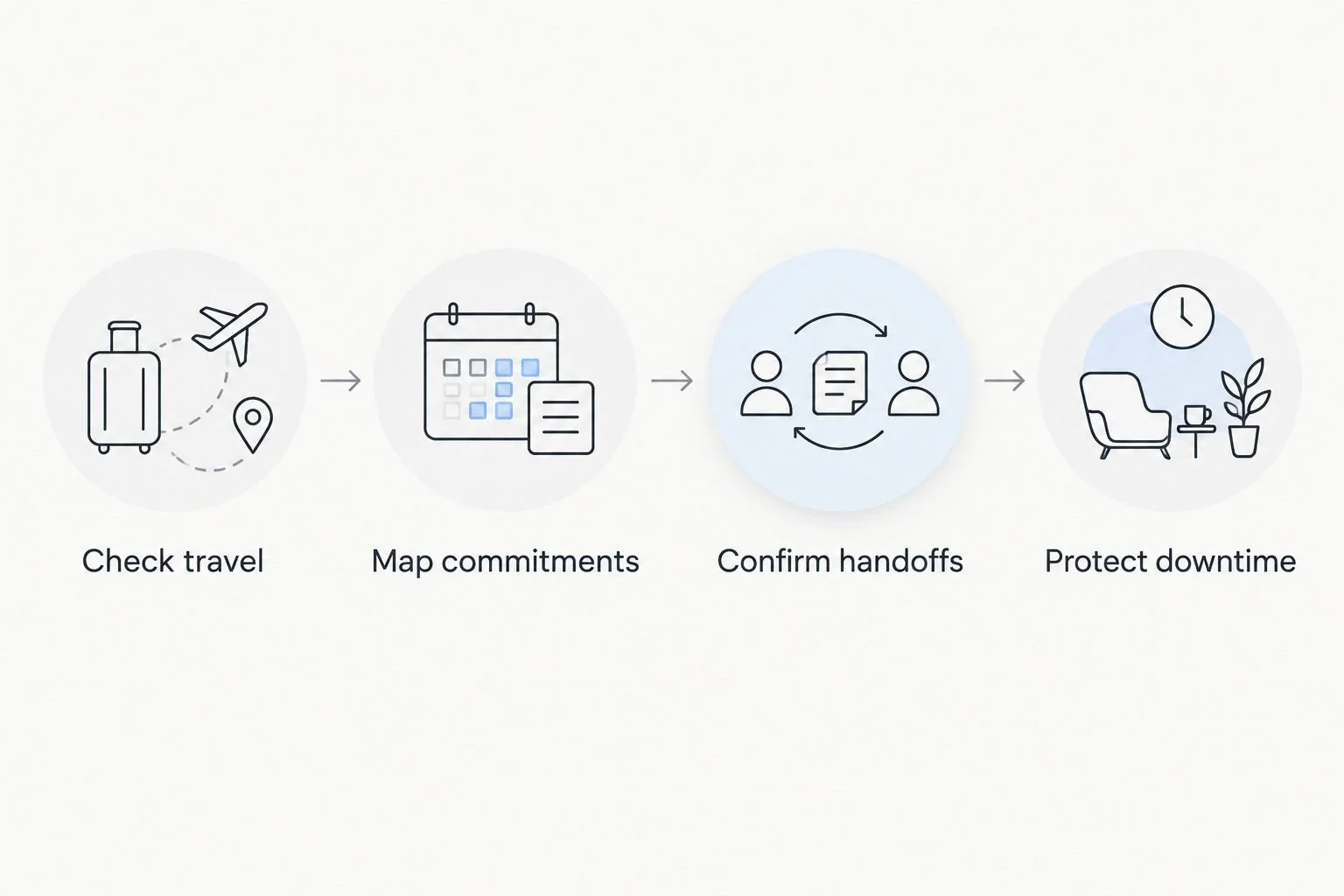
Plan the whole family day, not just the hours listed for camp.
What to confirm before packing
Pack from the provider’s instructions, not from a generic theater checklist. Costume pieces, scripts, shoes, and personal supplies depend on the activities and requirements.
Ask about clothing suitable for the planned movement, footwear, food, drinking water, and any materials children need to bring. Check whether belongings should be labeled and how the program handles personal items.
Discuss medication, allergies, and emergency contacts through the provider’s designated process. Do not rely on your child to pass along essential information during arrival.
Explain the collection plan to your child in plain language. If another adult will collect them, confirm the authorization procedure rather than assuming a verbal message is sufficient.
Will my child perform at the end of camp?
A final performance is not established by the phrase summer theater camp. Ask whether the program includes an audience event, an informal sharing, or no presentation at all.
If an event is included, confirm the date, location, participation expectations, and family arrangements. Avoid promising relatives an invitation until the provider has explained the plan.
Does my child need acting, singing, or dance experience?
Previous experience requirements depend on the program. Ask whether the session welcomes beginners and whether auditions, preparation, or specific skills are required.
Tell the instructor what your child has tried without treating previous lessons as proof of readiness. Enjoying ballet or singing at home gives useful context, but the camp’s actual activities determine the fit.
Should we rehearse at home during camp week?
Home rehearsal should follow the instructor’s guidance rather than a parent-created workload. Ask whether children receive material to review and how families should help.
A relaxed conversation about a character or favorite activity can keep you connected without turning the evening into another lesson. Leave technical corrections to the instructor unless specific guidance has been provided.
How to take the next step without rushing
Once you understand the activities and logistics, send the provider a short description of your child’s interests and the questions that affect your decision. Include previous experience, relevant support needs, and any schedule constraints.
The Garden Arts Center is best for families seeking dance, theater, music, and art lessons within an arts community. For theater-related questions, use the contact page to ask about current programming, suitability, and registration steps rather than assuming a particular camp format.
A useful inquiry asks what children practice, how beginners participate, and what families need to arrange. Clear answers let you decide whether the commitment fits without pressure to choose immediately.
FAQ
What should I expect from a summer theater camp in 2026?
Expect the program description to explain the activities, experience requirements, daily arrangements, and any performance commitment. Acting games, character work, movement, and rehearsal are possible components; confirm which ones the specific camp includes.
Is summer theater camp suitable for a shy child?
Suitability depends on how the program introduces participation and supports individual needs. Ask about group activities, speaking alone, transitions, and how instructors respond when a child needs help joining in.
Does every summer theater camp include singing?
Singing is not guaranteed by the theater camp label. Ask whether the program focuses on acting or includes musical theater, and how singing fits into the activities.
What should my child wear to theater camp?
Follow the provider’s clothing and footwear instructions for the planned activities. Ask about movement requirements before buying clothing, shoes, or costume items.
Should I expect my child to get a speaking role?
Do not assume a particular role or amount of solo material unless the provider explicitly confirms it. Ask how participation is organized and what children do throughout rehearsals.
How can I tell whether camp fits our family schedule?
Compare the full travel and care commitment with your household calendar. Include arrival, collection, sibling arrangements, and any event outside the regular routine.
How do I ask The Garden Arts Center about theater options?
Contact The Garden Arts Center with your child’s interests, experience, scheduling needs, and relevant support questions. Ask which current theater options fit before choosing a registration path.
One last thing
After camp, ask, What did you try today? It leaves room for an answer about listening, inventing a character, helping a scene partner, or attempting something unfamiliar—not just getting a role.
Before adding a fall activity, listen for what your child wants to explore again. A sustainable weekly commitment matters more than immediately extending every summer interest.