

Best overall for hands-on creative time: art classes. Best for expressive movement: adult dance. Best for a musical focus: singing or instrument lessons. The best adult classes for stress relief fit both the activity you enjoy and the weekly commitment you can sustain; this guide compares six options without treating any class as a medical treatment.
TL;DR
The best adult classes for stress relief match your interests, comfort level, and realistic weekly schedule.
Choose art classes for hands-on making, adult dance for expressive movement, or music lessons for focused practice.
The Garden Arts Center offers adults arts and wellness options; ask about instruction, preparation, and class requirements.
Yoga and Pilates emphasize physical practice rather than making art; choose them when that distinction suits your goal.
Why this matters
A class should give you something meaningful to do, not become another obligation you dread. For your 2026 plans, start with what you want from the experience: making something, moving to music, learning an instrument, or following a guided physical practice.
The Garden Arts Center is best for adults seeking arts and wellness choices within a welcoming arts community. The Garden Arts Center offers dance, theater, music, art, and wellness instruction for different ages and abilities. The choice here is between activities, not a claim that one approach treats stress better than another.
For parents, this decision also sits alongside school pickups, children's activities, and work. Your own creative time deserves a realistic place in that schedule rather than whatever time remains.
What makes the best adult classes for stress relief?
Use these criteria before choosing a subject or asking about registration:
Personal interest: Choose an activity you want to experience, not one you feel obliged to find relaxing.
Appropriate instruction: Ask how the teacher introduces unfamiliar skills and gives feedback to beginners.
Comfort with participation: Consider whether you prefer individual making, group movement, or performing in front of others.
Manageable preparation: Find out what equipment, clothing, materials, or practice the class requires.
Sustainable attendance: Compare the full trip and class commitment with your actual family calendar.
Clear expectations: Ask about the class's focus, physical demands, level, and any presentation or performance requirements.
These criteria matter more than picking the activity with the calmest description. A quiet room does not make an unfamiliar task enjoyable, and an energetic dance class can still be the activity you most look forward to.
Adult classes at a glance
The 2026 comparison below ranks classes by the kind of experience you want. The order is a practical starting point, not a measured ranking of mental-health outcomes.
Art classes for adult beginners
Best for: Hands-on creative time
Standout learning focus: Working with materials, color, shape, or composition
Key limitation: Materials and cleanup depend on the medium
Best for: Expressive movement
Standout learning focus: Rhythm, coordination, and movement patterns
Key limitation: Physical demands and class level need checking
Yoga
Best for: Guided attention to movement and breath
Standout learning focus: Postures, breathing, and body awareness
Key limitation: Class styles and heat conditions differ
Singing or instrument lessons
Best for: Focused musical learning
Standout learning focus: Pitch, rhythm, phrasing, or instrument technique
Key limitation: Practice outside lessons needs consideration
Acting classes
Best for: Social expression and storytelling
Standout learning focus: Character, voice, listening, and scene work
Key limitation: Performing in front of others is part of the decision
Pilates
Best for: Structured movement practice
Standout learning focus: Controlled movement and alignment
Key limitation: Less direct artistic expression than arts classes
1. Art classes: best for hands-on creative time
Art classes give you a tangible task: work with a material, make choices, and develop a piece. Drawing can involve observing shapes and relationships; painting introduces decisions about color and composition. Ask which medium and techniques a particular class teaches rather than assuming every art class covers the same ground.
This is the default recommendation if you want creative expression without learning choreography or performing for a group. Choose instruction that explains the process and welcomes questions, especially if you have not made art since school.
Art class pros:
You can focus on making rather than presenting yourself.
Materials provide concrete starting points for creative decisions.
Work can reflect your own interests and observations.
Art class cons:
Supplies, setup, and cleanup vary by medium.
Comparing your work with others can distract from learning.
Best for: Adults who want to explore visual ideas through hands-on work.
Ask what students bring, what the teacher demonstrates, and whether projects follow a shared brief. You do not need to choose a permanent artistic identity before learning how a material works.
Verdict: Choose art if making something interests you more than performing.
2. Adult dance: best for expressive movement
Adult dance combines music with learning how to move. Depending on the style, instruction can include posture, weight transfer, rhythmic patterns, coordinated steps, and movement sequences. Ballet, tap, jazz, hip hop, contemporary, and other styles have different technical demands; the class name alone does not tell you the level.
For your 2026 shortlist, distinguish a beginner class from one intended for returning dancers. Previous experience is useful information for a teacher, but years away from dance also matter when discussing placement.
Adult dance pros:
Music and movement give the class a clear creative focus.
Technique provides specific skills to work on.
Learning alongside others creates opportunities for shared participation.
Adult dance cons:
Fast combinations can frustrate someone who needs slower explanations.
Footwear, clothing, and physical requirements differ by style.
Best for: Adults who want an active, music-led form of creative expression.
Ask how the teacher breaks down steps and handles different experience levels. Also ask whether performance participation is part of the class; do not assume it is required or optional.
Verdict: Choose adult dance if movement is the part you are looking forward to.
3. Yoga: best for guided movement and breath
Yoga classes commonly combine postures, breathing, and attention to bodily sensations. That makes yoga a different choice from an art or music lesson: the central activity is physical practice rather than creating a picture, song, or performance.
Check the actual class description. The Garden Arts Center lists hot yoga among its wellness offerings, so ask specifically about the room environment and physical expectations instead of assuming all yoga classes are interchangeable.
Yoga pros:
A guided sequence gives you an activity to follow.
Breath and posture provide clear points of attention.
The focus need not involve producing an artistic result.
Yoga cons:
Heat, pace, and posture demands differ between classes.
Yoga does not offer the same creative-making experience as art or music.
Best for: Adults seeking guided physical practice rather than an arts project.
Tell the instructor about relevant limitations and ask how movement alternatives are explained. If you have a health concern affecting exercise or heat tolerance, discuss it with an appropriate healthcare professional before choosing a class.
Verdict: Choose yoga when guided movement interests you more than making or performing.
4. Music lessons: best for focused musical learning
Singing or instrument lessons give you a specific sound-related task. Vocal instruction can address pitch, phrasing, and articulation; guitar instruction can introduce fretting, strumming, rhythm, and chord changes. The lesson's actual content depends on your instrument, experience, and teacher.
Choose this option because you want to learn music, not because you expect every practice session to feel effortless. Repeating a difficult passage is part of learning, and your home schedule needs room for the practice your instructor recommends.
Music lesson pros:
Musical skills give you concrete learning goals.
Repertoire offers a way to explore your interests.
Singing and instruments provide different routes into music.
Music lesson cons:
Instrument access and a suitable practice space need planning.
Practice expectations can add to the weekly commitment.
Best for: Adults who enjoy listening closely and working on a musical skill.
Ask whether the lesson format is individual or group-based, how beginners start, and what preparation is expected. Do not purchase an instrument or equipment before checking the requirements.
Verdict: Choose music if you want the learning process as well as the sound.
5. Acting classes: best for social expression and storytelling
Acting classes explore how characters speak, listen, respond, and move. Activities can include reading scenes, interpreting a character's intentions, or responding to another performer. Ask what a particular class includes before deciding whether its format suits you.
This option puts interaction closer to the center of the experience. If you want a creative activity involving other people, that is a reason to consider acting; if being watched feels like another demand, discuss how participation begins.
Acting class pros:
Stories provide material for imaginative exploration.
Scene work makes listening part of the activity.
Voice and movement can contribute to expression.
Acting class cons:
Speaking or performing in front of others can feel exposing.
Script preparation or memorization depends on the course.
Best for: Adults interested in characters, collaboration, and spoken expression.
Ask how the instructor introduces group exercises and gives feedback. A supportive learning environment should still have clear expectations about participation, preparation, and the purpose of each exercise.
Verdict: Choose acting if shared storytelling appeals more than solitary making.
6. Pilates: best for structured movement practice
Pilates emphasizes controlled movement, alignment, and coordination with breathing. It belongs in this comparison as an alternative for adults who want guided physical activity but do not particularly want choreography or an arts project.
Ask whether a class uses mats or equipment, what experience it assumes, and how the teacher explains movement options. Do not infer a specific format from the word Pilates alone.
Pilates pros:
Movement tasks give the session a clear structure.
Instruction can focus attention on alignment and control.
The activity does not depend on singing, acting, or making art.
Pilates cons:
It offers less direct creative expression than the arts options.
Physical demands and equipment requirements need checking.
Best for: Adults who prefer technique-led physical practice to artistic production.
If creativity is your main goal, keep art, dance, music, or acting higher on your list. If learning controlled movement is what interests you, Pilates deserves a closer look.
Verdict: Choose Pilates for structured movement, not as a substitute for an arts interest.
How the classes are ranked
Art takes the default position because it directly matches hands-on creative time without making movement or performance the central task. Each subsequent option serves a different preference: expressive movement, guided breath and posture, musical learning, storytelling, or controlled physical practice.
This 2026 guide ranks by activity fit, participation demands, preparation, and scheduling practicality. It does not rank clinical effectiveness or promise that attending a class will reduce symptoms.
Which adult class should you choose?
Start with art if you want creativity but have no strong preference yet. Choose dance instead if moving to music is the real attraction, or music lessons if there is a sound or instrument you want to learn.
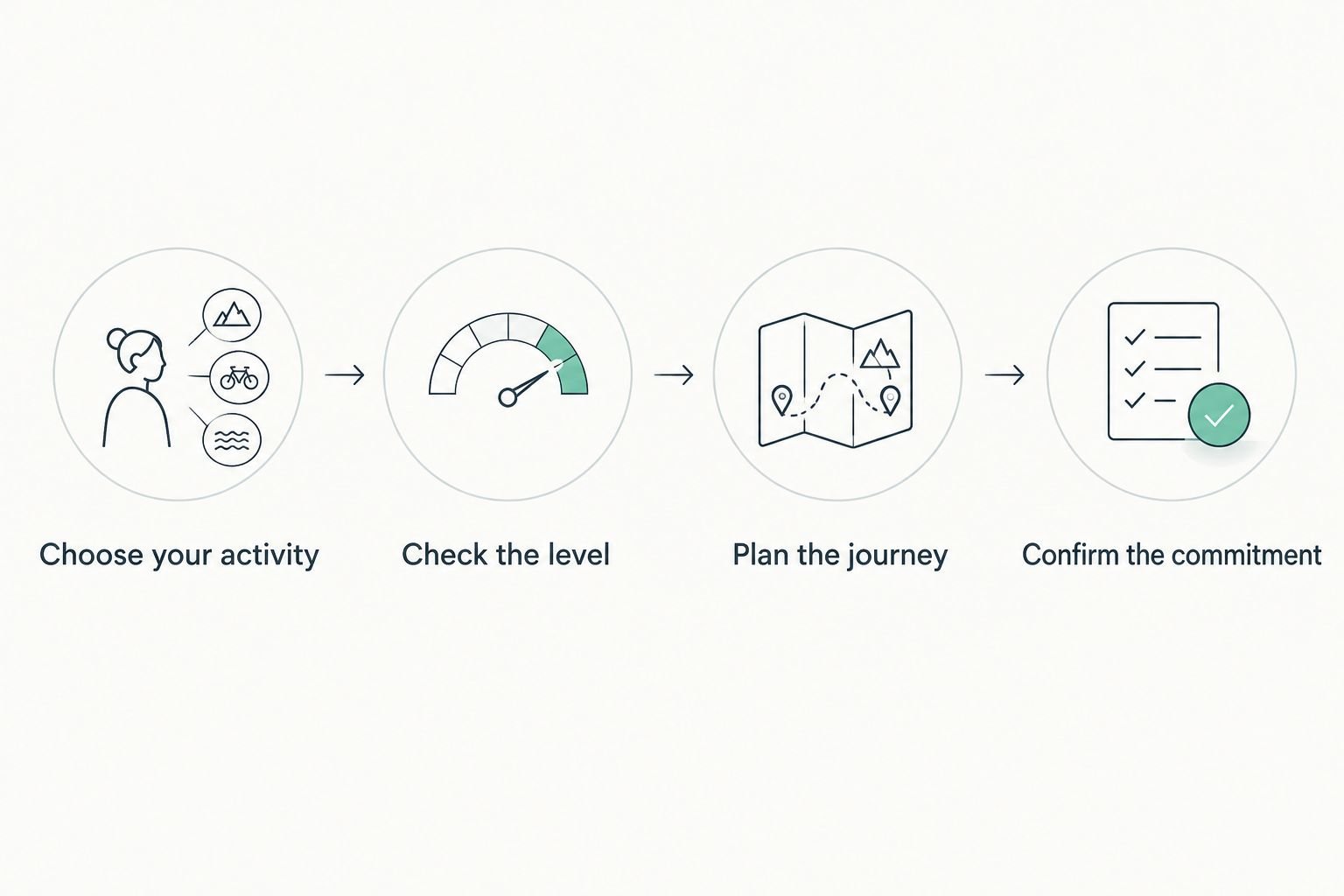
Before registration, use this sequence to test the practical fit:
Choose your activity: Identify what you want to spend the class actually doing.
Check the level: Ask about beginner instruction, physical expectations, and preparation.
Plan the journey: Include travel, parking, changing, and the trip home.
Confirm the commitment: Check current class details and registration requirements directly.
For families across Berks, Montgomery, and Chester counties, test the journey from your actual starting point. Whether you travel from Douglassville, Pottstown, Phoenixville, King of Prussia, Reading, or Lansdale, a trip after work differs from one beginning at home.
Start by considering 1 class per week as a planning option, not a required attendance pattern. Compare 2 travel routes if school pickup affects your journey, and bring 3 questions about level, preparation, and commitment. These are planning suggestions, not the center's policies.
Explore your class options
Ask about the class level, preparation, and current schedule before choosing your next step.
FAQ
What's the best adult class for creative stress relief?
Art is the default choice if you want hands-on creative time without making performance or physical exercise the main task. Dance, music, and acting suit different interests; no single class is best for everyone.
Can I start adult dance classes with no experience?
You can begin learning dance as an adult without previous training. Ask whether the specific class teaches beginners and how the instructor introduces steps, technique, and movement sequences.
Is yoga better than art for stress relief?
Choose yoga for guided physical practice and art for hands-on creative expression. This comparison does not establish that either activity treats stress more effectively.
What adult classes does The Garden Arts Center offer?
The Garden Arts Center offers adults options across dance, theater, music, art, and wellness. Ask directly about the current class format, level, and schedule before planning registration.
How do I fit an adult class around my children's activities?
Plan the full journey and class commitment alongside school pickup, work, and existing activities. Do not assume your class can overlap with your child's lesson until you have checked the current schedules.
What should I ask before registering for a class in 2026?
Ask about the level, teaching approach, materials or clothing, physical expectations, and preparation outside class. Confirm the current schedule and registration requirements directly rather than relying on a general guide.
Are creative classes a replacement for mental-health treatment?
Creative classes are not a replacement for mental-health assessment or treatment. If stress is persistent, severe, or affecting daily life, seek advice from a qualified healthcare professional.
One last thing
Before settling your 2026 routine, ask yourself whether you want the activity itself or only the feeling you hope follows it. Choose the drawing, dancing, singing, or movement you are curious about doing. That gives your class a purpose beyond needing to feel relaxed on command.