

Best overall: jazz for expressive performance. Best for a playful first step: creative movement. Best for audible musical expression: tap. This 2026 guide compares dance classes for stage presence by what children practice, how each style supports expression, and what families should ask before choosing.
TL;DR
Choose jazz dance classes for stage presence when your child wants expressive movement alongside dance technique.
Choose creative movement for an imaginative introduction; choose ballet for posture, placement, and controlled presentation.
The Garden Arts Center offers dance classes alongside theater and music, giving families several artistic directions to explore.
Match the class level, teaching approach, and weekly travel commitment before choosing a performance goal.
Why this matters
Stage presence is more than smiling at an audience. It includes clear movement, musical attention, intentional focus, and the ability to stay engaged throughout a phrase. A quiet child can communicate through a small gesture; a lively child still needs control and listening skills.
The Garden Arts Center is a fit for families seeking dance classes within a broader arts community that includes theater and music. Start with The Garden Arts Center to explore that range, then ask about the instruction and placement that match your child's experience.
For your 2026 class decision, separate an interest in performing from readiness for a particular dance level. Choose instruction that welcomes your child while teaching sound technique, rather than treating confidence as something a child must bring on day one.
What makes the best dance classes for stage presence
Use these criteria before choosing a style:
Expressive purpose: Students connect movement with a mood, character, musical accent, or story rather than adding a smile afterward.
Technical foundations: Teachers explain alignment, coordination, and controlled movement appropriate to the student's level.
Musical attention: Students practice listening, starting together, noticing accents, and finishing phrases.
Supportive instruction: Corrections explain what to change without asking children to become louder or more outgoing personalities.
Sustainable attendance: The class fits school activities, travel, homework, and family routines.
A style's reputation does not tell you how a particular beginner class works. Ask an instructor for a concrete example of how students practice expression alongside technique.
Dance styles at a glance
This 2026 comparison assigns each style a different purpose. The order favors a general starting point for expressive performance, not a claim that one tradition is better than another.
Best for: Broad expressive performance
Standout learning focus: Musical accents, coordinated movement, and presentation
Key limitation: Style alone does not guarantee acting instruction
Creative movement
Best for: Imaginative first participation
Standout learning focus: Exploring shapes, space, rhythm, and movement ideas
Key limitation: Less emphasis on formal choreography
Ballet
Best for: Poised, controlled presentation
Standout learning focus: Placement, balance, coordinated arms, and clear lines
Key limitation: Expression can receive less attention in a technique-focused class
Hip hop
Best for: Groove and rhythmic individuality
Standout learning focus: Weight shifts, isolations, and musical response
Key limitation: Choreography difficulty varies by class
Tap
Best for: Audible musical expression
Standout learning focus: Making rhythms with the feet
Key limitation: Footwork can absorb a beginner's attention
Lyrical
Best for: Music-led emotional storytelling
Standout learning focus: Connecting movement phrases with a song's mood
Key limitation: Expressive choreography still needs technical support
Contemporary
Best for: Exploring contrasting movement qualities
Standout learning focus: Changes in weight, dynamics, and spatial direction
Key limitation: Class content and prerequisites vary
1. Jazz: best dance style for broad expressive performance
Jazz combines technical movement with musical accents and presentation. Depending on the class, students work on coordinated arms and legs, isolations, changes of direction, and movement phrases. Those elements give a teacher concrete opportunities to connect technique with expression.
Jazz pros:
Musical accents give students clear moments to emphasize.
Coordinated phrases connect physical control with presentation.
Changes in energy let students explore different performance qualities.
Jazz cons:
Fast combinations can draw attention away from expression.
A jazz class does not automatically include character or acting work.
Best for: A child who enjoys performing to music and wants a broad dance foundation for expressive movement.
Ask how beginners learn to direct their focus while remembering choreography. An instructor might explain a gaze change or a clear finishing position; the useful answer describes teaching, not just the promise of confidence.
Verdict: Buy into jazz as the default starting point for broad stage expression, provided the level fits.
2. Creative movement: best for imaginative first participation
Creative movement introduces dance through exploration rather than demanding polished choreography from the start. Common activities include making shapes, moving through space, responding to rhythm, and interpreting an imaginative prompt.
For stage presence, its value is participation with intention. A child can communicate an idea through movement without needing a long sequence of steps.
Creative movement pros:
Movement prompts connect imagination with physical expression.
Open-ended tasks allow different responses from different children.
Rhythm and spatial exploration introduce useful dance foundations.
Creative movement cons:
It offers less formal choreography than some technique classes.
A child seeking detailed step instruction might prefer another format.
Best for: A child beginning group dance who enjoys pretend play, music, and movement exploration.
Ask how the teacher introduces shared activities and supports children who prefer to watch before participating. Avoid choosing solely by age; ask about the class's expectations too.
Verdict: Buy into creative movement when imaginative participation matters more than polished presentation.
3. Ballet: best for poised, controlled presentation
Ballet teaches a codified movement vocabulary with attention to placement, balance, and coordinated use of the body. Port de bras, or carriage of the arms, gives students a specific way to practice presenting movement beyond the feet.
Ballet's stage-presence contribution is clarity. A controlled finish and intentional head position can communicate without a large gesture.
Ballet pros:
Placement and balance support clear movement.
Coordinated arms and head positions develop deliberate presentation.
Structured exercises give students repeatable technical tasks.
Ballet cons:
Technical demands can occupy a beginner's full attention.
A technique-focused lesson is not a substitute for acting instruction.
Best for: A child drawn to precise movement, classical dance, and a structured learning format.
Ask how the teacher connects exercises with musical phrasing and expressive intention. Do not treat pointe as the next step for stage presence; pointe readiness requires its own assessment.
Verdict: Buy into ballet for controlled presentation, not as a shortcut to performance confidence.
4. Hip hop: best for groove and rhythmic individuality
Hip hop dance encompasses distinct forms and traditions rather than one interchangeable style. Beginner instruction can include groove, weight shifts, isolations, and choreography, but families should ask which foundations the class actually teaches.
Stage presence grows from a clear relationship with the music, not simply from making movements bigger. Look for instruction that values timing and movement quality alongside energy.
Hip hop pros:
Groove directs attention toward musical feel.
Isolations develop awareness of separate body movements.
Choreography creates opportunities to practice rhythmic emphasis.
Hip hop cons:
A broad class label does not identify the specific foundations taught.
Complex choreography can overwhelm a beginning dancer.
Best for: A child interested in groove, rhythmic movement, and developing an individual performance quality.
Ask whether beginners learn foundational movement before longer combinations. Also ask how the teacher distinguishes strong musical choices from copying a performer's facial expressions.
Verdict: Buy into hip hop for musical individuality when the beginner instruction is clearly explained.
5. Tap: best for audible musical expression
Tap makes rhythm audible through footwork. Students learn to coordinate movement and sound, which gives musical expression a direct, noticeable form.
A tap dancer communicates through accents, pauses, and rhythmic phrasing as well as visual presentation. That makes tap a distinct choice for a child especially interested in making music through movement.
Tap pros:
Footwork creates audible feedback about rhythm.
Accents and pauses offer specific expressive choices.
Listening connects the dancer's movement with the musical phrase.
Tap cons:
New footwork requires sustained coordination and attention.
Students still need guidance on posture and upper-body presentation.
Best for: A child who enjoys rhythms, percussion, or exploring how movement produces sound.
Ask how beginners practice listening while keeping their upper bodies engaged. Tap shoes are part of the form, but confirm the instructor's footwear requirements before choosing equipment.
Verdict: Buy into tap when rhythmic expression is your child's strongest interest.
6. Lyrical: best for music-led emotional storytelling
Lyrical dance commonly combines elements associated with ballet and jazz in expressive choreography. Movement often follows a song's phrasing or emotional character, creating opportunities to connect separate steps into a coherent idea.
Expression should remain appropriate to the student's age and understanding. Ask how teachers explain the movement intention without requiring children to imitate emotions they do not understand.
Lyrical pros:
Musical phrasing gives movement an expressive structure.
Connected sequences encourage attention to transitions.
A shared mood can give choreography a clear purpose.
Lyrical cons:
Expressive intent does not replace technical preparation.
Some classes expect previous ballet or jazz experience.
Best for: A dancer drawn to interpreting songs through connected movement.
Ask about prerequisites and whether the class teaches its underlying technique or expects students to bring it. At The Garden Arts Center, discuss lyrical alongside the other dance options rather than assuming the label establishes the right level.
Verdict: Hold until the instructor confirms that the lyrical class matches your child's foundation.
7. Contemporary: best for exploring movement qualities
Contemporary dance includes varied approaches to movement, making the teacher's explanation especially important. Classes can explore weight, changes in dynamics, spatial direction, and transitions between different levels.
For stage presence, contrast is the useful idea: sustained movement reads differently from a sudden accent. Students need control and clear instruction to make those differences intentional.
Contemporary pros:
Contrasting dynamics create expressive choices.
Spatial changes encourage awareness beyond a fixed front.
Movement exploration can connect technique with personal interpretation.
Contemporary cons:
The class name does not specify a single curriculum.
Some classes expect prior dance experience or familiarity with floorwork.
Best for: A student interested in exploring how movement quality changes what an audience sees.
Ask about the class's technical base and how new skills are introduced. Treat modern dance as a separate question too; the terms are not interchangeable descriptions of every class.
Verdict: Hold until the contemporary class's approach and prerequisites are clear.
How the styles are ranked
This guide ranks styles by their instructional fit for different expressive goals: broad presentation, imaginative participation, poise, groove, audible rhythm, storytelling, and movement contrast. It does not rank individual teachers or claim measured confidence gains.
For 2026, the deciding question is practical: which class gives your child an understandable expressive task at an appropriate technical level? A suitable teacher and manageable schedule matter more than the position of a style in this list.
Which dance class should your family choose?
Choose jazz if you want the broadest starting point for stage expression and your child likes learning movement phrases. Choose creative movement instead when exploration is the better entry point. Let a strong interest in rhythm, classical movement, or storytelling guide the other choices.
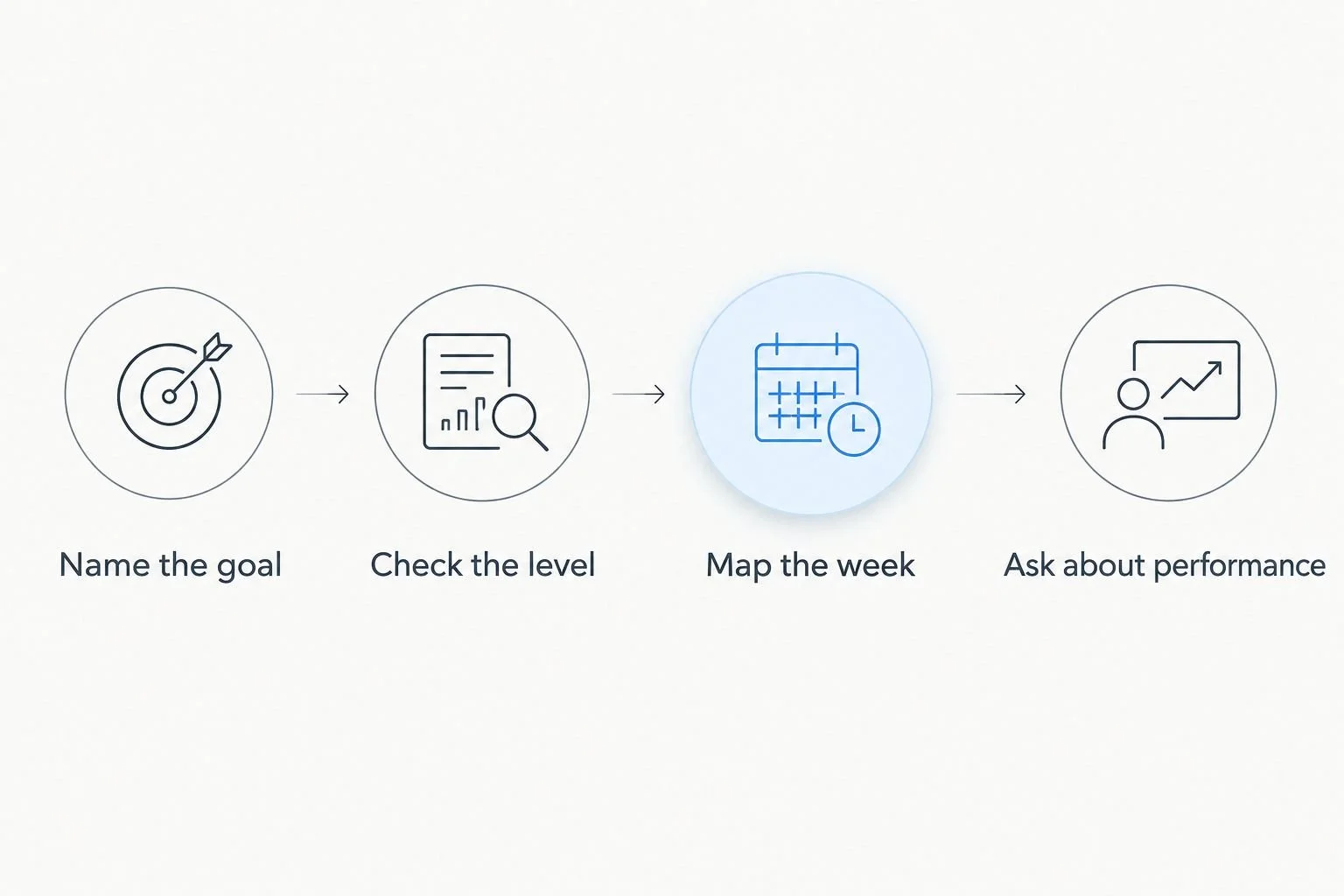
Before registration, work through these steps:
Name the goal. Ask whether your child wants to tell stories, make rhythms, explore movement, or learn a particular style.
Check the level. Describe previous experience and ask what the class expects students to know.
Map the week. Include school dismissal, travel, meals, homework, and sibling commitments.
Ask about performance. Clarify how expression is taught and what participation in any performance involves.
Families across Berks, Montgomery, and Chester counties should evaluate the actual trip, not just the town name. Whether you travel from Douglassville, Pottstown, Phoenixville, King of Prussia, Reading, or Lansdale, check the route at the time your family would use it. These communities are planning references, not claims of center locations.
As a planning example, start by considering 1 class per week rather than adding several activities at once. If your child wants home practice, suggest 5 minutes of a teacher-approved exercise; an 8-count phrase can be enough material to explore a clear beginning and ending. These are optional planning ideas, not enrollment requirements or promises of progress.
For a 2026 schedule, leave room for the ordinary week, not just the ideal one. A class your family can attend consistently is a more practical choice than a preferred style that repeatedly conflicts with school commitments.
Explore your family's arts options
Review The Garden Arts Center, then ask which dance class matches your child's interests and experience.
FAQ
What's the best dance class for building stage presence?
Jazz is the default recommendation in this guide for broad expressive performance because it connects technical movement with musical accents and presentation. Choose the class level and teaching approach before choosing by style alone.
Can a shy child take dance classes for stage presence?
A shy child does not need an outgoing personality to begin dance. Ask how the teacher supports participation, introduces group activities, and teaches expression without pressuring children to perform a personality.
Is ballet or hip hop better for stage presence?
Ballet suits a goal of poised, controlled presentation; hip hop suits an interest in groove and rhythmic individuality. Neither label establishes the quality or suitability of a particular beginner class.
Does my child need dance experience before lyrical or contemporary?
The specific class determines whether previous experience is required. Ask about placement, technical foundations, and how new movement skills are introduced before registering.
Should we add acting or singing lessons to dance?
Add acting or singing when your child's interests and weekly schedule support another subject, not because dance requires it. The Garden Arts Center offers theater and music alongside dance, so families can discuss those interests without assuming a combined program.
What should we ask about recitals before choosing a class in 2026?
Ask whether performances are part of the class and what rehearsal, participation, and family commitments involve. Confirm the current details directly rather than assuming every dance class follows the same format.
How do we fit dance around school and travel?
Plan the whole trip alongside school activities, meals, homework, and sibling needs. Choose a weekly commitment your family can sustain, and confirm current class details before registration.
One last thing
Stage presence includes knowing where your attention goes when you are not doing the biggest step. When your child describes a class, ask what happens at the beginning, between movements, and at the finish—not only which new step they learned.
That question keeps the focus on clear, intentional dancing rather than outward confidence. Bring the answer into your next conversation with an instructor at The Garden Arts Center.