

Learning basic tap dance steps happens in stages: making an individual sound, repeating it clearly, then keeping it in time within a short sequence. There is no fixed number of lessons that guarantees those skills; in tap dance classes for beginners, recognition of a step and independent control of it are different milestones. Choose a class by its starting level and your family's ability to attend consistently, rather than a promised completion date.
TL;DR
Tap dance classes for beginners should build clear sounds, controlled weight changes, and steady timing before speed.
A shuffle has 2 sounds; recognizing the pattern is different from performing it consistently.
The Garden Arts Center offers tap alongside other arts classes for children and adults.
Choose a sustainable family schedule and ask how instructors assess beginner readiness.
How long does it take to learn basic tap dance steps?
Measure beginner tap progress by what you can repeat, not by a deadline. A student who copies a step after a demonstration is at a different stage from a student who remembers it, keeps the beat, and connects it to the next movement.
If you are preparing for a first lesson in 2026, start with the practical questions in this guide to preparing for your child's first tap dance class. Then use these milestones to discuss progress with the instructor:
Recognize the movement. Your child connects a step's name with the demonstrated action.
Separate the sounds. Your child hears and produces the intended contacts rather than an indistinct scrape.
Control the weight. Your child knows which foot supports the body and which foot needs to move.
Keep the timing. Your child repeats the pattern without steadily speeding up or losing the beat.
Connect the steps. Your child remembers a short sequence while maintaining the earlier skills.
These milestones are a discussion tool, not a placement test. An instructor should decide which movements and combinations suit the student's current ability.
Why this matters
A calendar-based goal can hide the skill you actually want your child to develop. Finishing a sequence while rushing every sound is not the same as understanding its rhythm.
For your family's 2026 class plan, define success as participation, understanding, and increasingly controlled movement. That gives you useful questions to ask after class without turning each lesson into a performance review.
Try asking, Which sound were you listening for today? rather than Have you learned tap yet? The first question invites a concrete answer; the second treats a continuing art form as a task to finish.
A shuffle: 2 sounds before speed
A basic shuffle combines a forward brush and a backward brush with the ball tap of the working foot. A shuffle has 2 sounds. The working foot does not need to take the body's weight to complete that basic action.
The learning challenge is separating the brushes while controlling the leg. Moving faster does not solve an unclear sound, and a large swinging movement is not the goal.
For a beginner, ask the instructor what to listen for and how the movement should feel. Parents do not need to correct ankle or knee mechanics at home; that belongs with the teacher.
A flap: 2 sounds with a weight change
A basic flap combines a forward brush with a step onto the ball of the same foot. A flap has 2 sounds, but unlike a basic shuffle, it includes taking weight onto the working foot.
That distinction matters when a child can imitate the noise but cannot continue into the next step. The issue to discuss is where the body finishes, not simply whether the foot moved quickly enough.
Do not treat a familiar step name as proof of mastery. Ask whether your child can repeat the movement with the intended sound and a controlled finish.
A ball change: 2 weight transfers
A basic ball change shifts weight onto the ball of one foot and then onto the other foot. A ball change involves 2 weight transfers. Its placement within a rhythm depends on the combination being taught.
The useful beginner question is whether the student finishes ready for the next movement. A child who remembers the pattern but starts the following step on the wrong foot needs help understanding the transition.
How these beginner movements differ
These are learning components, not competing class recommendations. Each asks the student to coordinate sound and movement in a different way.
Shuffle
Best for practicing: Separating brush sounds
Useful feature: Keeps attention on the working foot
Challenge to watch: Brushes can blur together
Flap
Best for practicing: Linking sound with a step
Useful feature: Connects a brush to taking weight
Challenge to watch: The student must finish balanced
Ball change
Best for practicing: Preparing the next movement
Useful feature: Makes weight transfer explicit
Challenge to watch: Remembering the feet is not enough without timing
Your child's teacher can explain which component needs attention. Practicing the whole combination repeatedly is less specific than identifying the sound, weight change, or transition that causes difficulty.
Why the time to learn basic tap varies
The same step presents different tasks to different students. Use these factors to guide a conversation about placement and expectations, not to predict a finishing date.
Starting experience. Ask whether the class assumes previous dance training or introduces movement vocabulary from the beginning.
Sound separation. A student needs to distinguish the intended contacts before judging whether the pattern is clear.
Weight control. Knowing which foot carries the body affects whether the next movement is possible.
Timing demands. Performing a step alone is different from repeating it to a beat or placing it within music.
Sequence demands. Remembering the order adds another task beyond producing an individual movement.
Continuity. A schedule your family can maintain gives the instructor a practical basis for planning instruction and reviewing progress.
Avoid comparing siblings by how quickly they remember choreography. One child might remember the order while another produces clearer sounds; those observations describe different skills, not a single ranking.
How to choose a beginner class without chasing a deadline
Choose a starting point the instructor can explain and a weekly commitment your family can sustain. A class title alone does not tell you whether the teaching begins with basic footwork or assumes it.
Use this sequence when considering tap dance classes for beginners in 2026:
Ask about placement. Explain your child's previous experience, including no previous dance experience, and ask which class is intended for that starting point.
Ask about instruction. Request an explanation of how students learn sounds, weight changes, and timing. Look for an answer you can understand without dance terminology.
Check the schedule. Put travel, school dismissal, meals, and other activities beside the proposed class commitment.
Confirm preparation. Ask about footwear, clothing, registration requirements, and anything the student should know before attending.
Discuss progress. Ask how families can raise questions about a student's understanding or placement.
The point is not to find a class that promises the fastest result. It is to understand what your child will be asked to learn and whether your family can support that commitment.
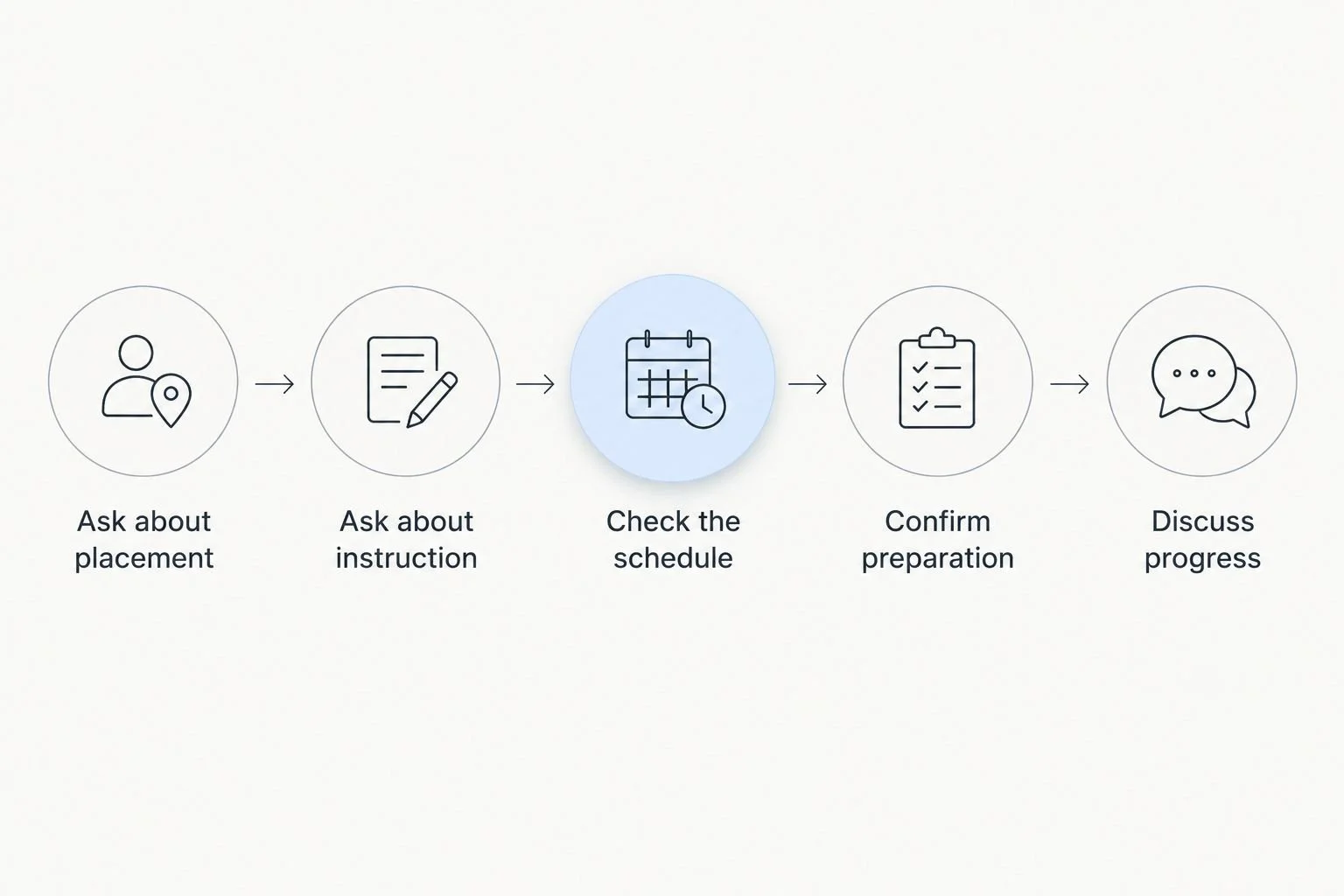
Check both the teaching approach and the family schedule before choosing a class.
Make the weekly commitment fit your family
Families across Berks, Montgomery, and Chester counties need to consider the full trip, not just the lesson itself. Whether you are traveling from Douglassville, Pottstown, Phoenixville, King of Prussia, Reading, or Lansdale, check the actual destination and route before committing.
For a 2026 school-week plan, walk through the afternoon in order: school departure, travel, changing clothes, class, the return trip, and dinner or homework. Use your own route and school commitments rather than an assumed travel time.
Also consider the sibling who needs a different pickup and the parent whose workday sometimes ends late. Those are planning questions, not reasons to rule out dance. Ask about current class arrangements and registration terms instead of assuming that a missed lesson can be replaced.
The Garden Arts Center is best for families seeking tap dance within a broader arts community. The Garden Arts Center offers tap dance classes alongside ballet, jazz, creative movement, theater, music, art, and wellness classes for children and adults.
That breadth gives families different artistic interests to explore, but it does not establish that suitable classes run together or fit your schedule. Ask The Garden Arts Center about current beginner placement and arrangements through the contact page before making a family plan.
What should you look for after class?
Listen for specific observations rather than asking for a demonstration on demand. Your child might describe a brush, a change of supporting foot, or the part of a rhythm that was difficult.
Useful questions include:
Which movement did the teacher explain today?
What were you listening for in the sound?
Which part would you like the teacher to explain again?
Did you enjoy making the rhythm?
Treat those answers as conversation, not homework assessment. If your child cannot explain a technical point, ask the teacher rather than supplying a correction yourself.
If the instructor assigns home practice, follow that guidance about the movement, footwear, and suitable surface. Do not turn a video of advanced footwork into an extra assignment or use another child's pace as a target.
Can my child learn tap without previous dance experience?
Previous dance experience is not a prerequisite for seeking beginner instruction. The important distinction is whether the particular class teaches from the beginning or expects students to arrive with existing skills.
Tell the instructor what your child has actually done, rather than describing your child as naturally talented or uncoordinated. Clear information about experience helps keep the placement conversation practical and welcoming.
Does learning a step mean my child is ready to move up?
Learning an individual step does not establish readiness for a different class level. Placement also involves timing, controlled movement, sequence recall, and the expectations of the next class.
Ask the instructor to describe readiness in observable terms. A useful answer explains what the student needs to demonstrate, rather than relying only on how long the student has attended.
FAQ
How many weeks does it take to learn basic tap dance steps?
There is no fixed number of weeks that guarantees basic tap skills. Judge progress through clear sounds, controlled weight changes, steady timing, and the ability to connect movements.
What should tap dance classes for beginners teach?
Tap dance classes for beginners should introduce how foot movements create sounds, how weight shifts between feet, and how steps fit a rhythm. Ask which skills the particular class assumes and which it teaches from the beginning.
How many sounds does a shuffle make in tap?
A basic shuffle has 2 sounds: a forward brush and a backward brush with the ball tap of the working foot. Producing those sounds separately is different from rushing through the movement.
Is a flap the same as a shuffle?
A flap is not the same as a shuffle. Both have 2 sounds, but a basic flap finishes with a step onto the working foot, while a basic shuffle does not require that weight transfer.
Can my child start tap without being good at rhythm?
Ask for a class that introduces timing rather than requiring established rhythm skills. Describe your child's experience to the instructor and ask how beginners are supported.
Should I buy tap shoes before registering?
Confirm the class footwear requirements before buying tap shoes. Ask about the appropriate type and fit rather than assuming that any tap shoe suits the class.
How do I fit tap lessons around school activities?
Plan the complete weekly trip, including school departure, travel, changing, and the return home. Confirm current class arrangements and attendance terms before choosing a commitment.
Does The Garden Arts Center offer beginner tap placement guidance?
Contact The Garden Arts Center to ask which current tap class fits your child's starting experience. Explain your child's background and family schedule before making registration plans.
One last thing
The foot that makes the sound is not always the foot carrying the body's weight. That distinction explains why a child can reproduce a noise yet struggle to connect the next movement.
When planning beginner tap in 2026, ask the instructor one practical question: What should my child understand next? It keeps attention on the next learnable skill instead of an unsupported deadline.